




Can a 2.4 Inch TFT Strip Screen be used in medical devices?
 May 19, 2025|
 Hey there! As a supplier of 2.4 Inch TFT Strip Screens, I often get asked if these nifty little screens can be used in medical devices. Well, let's dive right into it and explore this topic in detail.
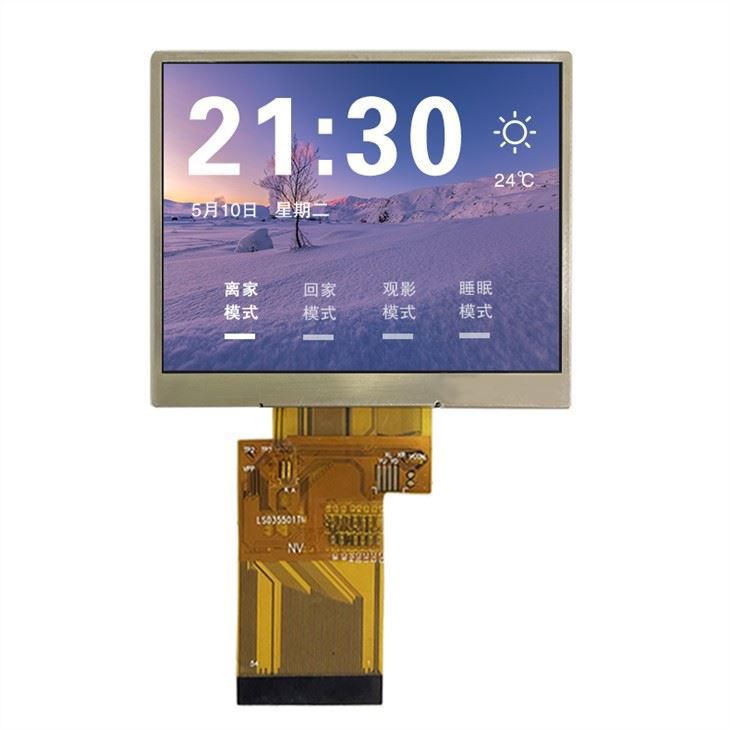
First off, what exactly is a 2.4 Inch TFT Strip Screen? TFT stands for Thin - Film Transistor, which is a type of active - matrix liquid - crystal display. The "2.4 inch" refers to the diagonal measurement of the screen. These screens are known for their sharp visuals, good color reproduction, and relatively low power consumption.
Now, let's talk about the requirements for screens in medical devices. Medical devices need screens that are highly reliable, accurate, and easy to read. Accuracy is crucial because any misinterpretation of data on the screen can lead to serious consequences. For example, in a patient monitoring device, incorrect readings on the screen could result in wrong medical decisions.
Reliability is another key factor. Medical devices are often used in critical situations, and the screen cannot afford to malfunction. It should be able to withstand continuous use, different environmental conditions such as temperature and humidity variations, and potential mechanical shocks.
So, can a 2.4 Inch TFT Strip Screen meet these requirements?
Advantages of Using a 2.4 Inch TFT Strip Screen in Medical Devices
Size and Portability
One of the big pluses of a 2.4 Inch TFT Strip Screen is its size. In some medical devices, especially those that are handheld or portable, a smaller screen size is an advantage. For instance, in a portable electrocardiogram (ECG) device, a 2.4 - inch screen can provide enough space to display basic patient data such as heart rate, rhythm, and some simple waveforms. It doesn't add much bulk to the device, making it easier for medical professionals to carry around and use in different settings, like in ambulances or during home visits.
Power Efficiency
Medical devices often run on batteries, either for portability or to avoid the hassle of being constantly plugged in. 2.4 Inch TFT Strip Screens are generally power - efficient. This means that they can run for longer periods on a single charge, which is extremely important in medical applications. For example, a battery - powered glucometer with a 2.4 - inch screen can provide multiple readings without quickly draining the battery, ensuring that it's always ready when needed.

Visual Clarity
These screens offer good visual clarity. They can display text, numbers, and simple graphics clearly. In a medical device, this is essential for presenting patient information accurately. For example, in a blood pressure monitor, the numbers representing systolic and diastolic pressure need to be clearly visible so that medical staff or patients themselves can easily read and understand the results.

Limitations of Using a 2.4 Inch TFT Strip Screen in Medical Devices
Limited Display Area
The main drawback of a 2.4 - inch screen is its limited display area. In some medical applications that require showing a large amount of complex data, such as in a high - end patient monitoring system that needs to display multiple vital signs (heart rate, blood pressure, oxygen saturation, etc.) along with detailed waveforms, a 2.4 - inch screen may not be sufficient. There might not be enough space to show all the information clearly, leading to a cluttered display and potential misinterpretation of data.
Color Depth and Resolution
While 2.4 Inch TFT Strip Screens can offer decent color reproduction and resolution, they may not be up to the mark for some high - end medical imaging applications. For example, in a medical ultrasound device, where detailed images of internal organs need to be displayed, a higher color depth and resolution are required. A 2.4 - inch screen may not be able to provide the level of detail needed for accurate diagnosis.

Suitable Medical Applications
Despite its limitations, there are several medical applications where a 2.4 Inch TFT Strip Screen can be a great fit.
Point - of - Care Testing Devices
Point - of - care testing devices are used to get quick test results at the patient's bedside or in a doctor's office. Examples include glucometers, urine analyzers, and rapid diagnostic test readers. These devices usually only need to display a few key results, such as blood glucose levels or the presence of a particular pathogen. A 2.4 - inch screen is more than sufficient to show this information clearly.
Simple Patient Monitoring Devices
As mentioned earlier, basic patient monitoring devices like simple ECG monitors or single - parameter vital sign monitors can benefit from a 2.4 - inch screen. They can display the most important information about the patient's condition, such as heart rate and basic rhythm, in a compact and easy - to - read format.
Other Screen Options
If the limitations of a 2.4 Inch TFT Strip Screen are a concern for your medical device project, we also offer other screen options. For example, our 3.5 Inch TFT Strip Screen provides a larger display area, which can be useful for showing more data. It still maintains good visual quality and power efficiency.
If you're looking for a different form factor, our 1.3 Inch TFT Square Screen might be a good choice. It's even smaller than the 2.4 - inch strip screen but can be suitable for applications where space is extremely limited.
And if you need a specific size for your medical device, we also offer Custom Size 5.0 Inch TFT Display. This allows you to get a screen that perfectly fits your device's requirements.
Conclusion
In conclusion, a 2.4 Inch TFT Strip Screen can definitely be used in certain medical devices. Its size, power efficiency, and visual clarity make it a suitable option for point - of - care testing devices and simple patient monitoring devices. However, it may not be the best choice for high - end medical imaging or devices that need to display a large amount of complex data.
If you're in the medical device industry and are considering using a 2.4 Inch TFT Strip Screen or any of our other screen options, I'd love to talk to you. Whether you have questions about the technical specifications, need help choosing the right screen for your device, or are ready to start a procurement process, feel free to reach out. We're here to provide you with the best solutions for your medical device display needs.
References
- "Medical Device Display Technologies" by Display Industry analysts.
- "Handbook of Biomedical Engineering" which includes sections on medical device design and display requirements.