




Is a backlight necessary for a small graphic LCD display?
 Jul 24, 2025|
 Is a backlight necessary for a small graphic LCD display? This is a question that often comes up in the world of display technology, especially for businesses and individuals looking for the right solution for their specific needs. As a supplier of small graphic LCD displays, I've had the opportunity to work with a wide range of customers, each with their own unique requirements. In this blog post, I'll explore the pros and cons of using a backlight for small graphic LCD displays and help you determine whether it's the right choice for your application.
Understanding Small Graphic LCD Displays
Before we dive into the question of backlights, let's first understand what small graphic LCD displays are. These displays are typically used in a variety of applications, including consumer electronics, industrial control panels, medical devices, and automotive dashboards. They are designed to display graphics, images, and text in a compact and efficient manner.
Small graphic LCD displays come in different sizes, resolutions, and colors. They can be monochrome or color, and they can have different viewing angles and contrast ratios. The choice of display depends on the specific application and the requirements of the user.
The Role of Backlights in LCD Displays
LCD displays, including small graphic LCD displays, are not self - emissive. This means that they do not produce their own light. Instead, they rely on an external light source to make the images and text visible. A backlight is a light source that is placed behind the LCD panel. It illuminates the panel from the back, allowing the user to see the content on the display.

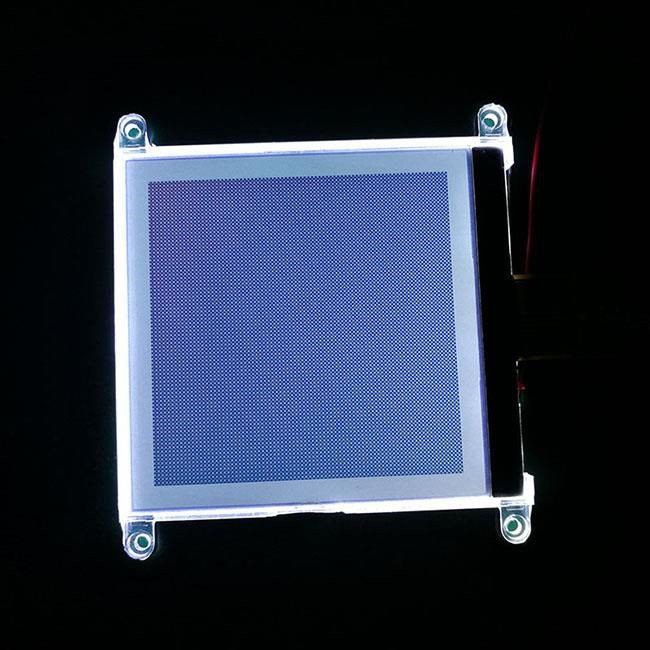
Backlights can be made of different materials, such as cold cathode fluorescent lamps (CCFL) or light - emitting diodes (LEDs). LEDs are more commonly used in modern LCD displays because they are more energy - efficient, have a longer lifespan, and can provide better color accuracy compared to CCFLs.
Advantages of Using a Backlight for Small Graphic LCD Displays
Improved Visibility
One of the main advantages of using a backlight is improved visibility. In low - light environments, a backlight can make the content on the display much easier to read and view. For example, in a dimly lit industrial control room or a night - time automotive dashboard, a backlit display ensures that operators and drivers can clearly see the information they need.
Enhanced Aesthetics
Backlights can also enhance the aesthetics of the display. A well - lit display can make the graphics and text look more vibrant and professional. This is especially important for consumer electronics, where the appearance of the product can have a significant impact on its marketability.
Better Color Representation
In color LCD displays, a backlight is essential for accurate color representation. The backlight provides the base light that passes through the color filters in the LCD panel, allowing the display to show a wide range of colors. Without a backlight, the colors would appear dull and washed out.
Disadvantages of Using a Backlight for Small Graphic LCD Displays
Increased Power Consumption
One of the major drawbacks of using a backlight is increased power consumption. Backlights, especially high - brightness ones, can consume a significant amount of energy. This can be a concern for battery - powered devices, such as portable medical devices or handheld consumer electronics. The additional power consumption can reduce the battery life of these devices, requiring more frequent charging.
Cost
Backlights add to the cost of the display. The materials used for the backlight, as well as the manufacturing process to integrate the backlight into the display, increase the overall price of the small graphic LCD display. This can be a limiting factor for cost - sensitive applications.
Heat Generation
Backlights generate heat during operation. In small enclosures, this heat can build up and potentially affect the performance and lifespan of the display and other components in the device. Heat management becomes an important consideration when using backlit displays, which adds to the complexity and cost of the design.
Applications Where a Backlight is Necessary
Indoor Applications with Low Lighting
In indoor settings where the ambient light is low, such as basements, server rooms, or some industrial environments, a backlight is almost a necessity. For example, a 40x4 Character Display LCD used in a control panel in a basement storage facility would require a backlight to ensure that the operators can read the information clearly.
Mobile and Portable Devices
Mobile and portable devices often need backlit displays because they are used in a variety of lighting conditions. Whether it's a handheld barcode scanner or a portable medical monitor, a backlight ensures that the display is visible in both bright sunlight and dim indoor environments.
Consumer Electronics for Entertainment
Consumer electronics such as small video players or game consoles rely on backlit displays to provide an immersive viewing experience. The backlight enhances the colors and brightness of the video and game graphics, making them more engaging for the user.
Applications Where a Backlight May Not Be Necessary
High - Ambient - Light Environments
In applications where there is plenty of ambient light, such as outdoor industrial equipment in direct sunlight or a brightly lit retail store, a backlight may not be necessary. The natural light can be sufficient to illuminate the display. For example, a Weight Scale Of Character LCD Display used in a well - lit supermarket may not require a backlight.
Cost - Sensitive and Low - Functionality Applications
For some cost - sensitive applications where the display is used in a simple, non - critical way, a backlight may be an unnecessary expense. For instance, a small, basic LCD display used in a low - end household appliance may not need a backlight if it is only used in well - lit areas.
Making the Decision
When deciding whether to use a backlight for a small graphic LCD display, several factors need to be considered. First, the lighting conditions of the application environment are crucial. If the display will be used in low - light areas, a backlight is likely necessary. Second, the power requirements and battery life of the device should be taken into account. If power consumption is a major concern, a backlight may not be the best option.
The budget for the project is also an important factor. If cost is a significant constraint, a non - backlit display may be more suitable. Finally, the intended use and functionality of the display should guide the decision. For applications where color accuracy and high - quality graphics are important, a backlight is usually required.
As a supplier of small graphic LCD displays, I can offer a range of options, both with and without backlights. Our LCD Module for Small Intercom Screen can be customized to meet your specific needs, whether you require a backlit display for better visibility in a dim hallway or a non - backlit display to save on power and cost.
If you are in the process of selecting a small graphic LCD display for your project, I encourage you to reach out to discuss your requirements. We can help you evaluate the pros and cons of using a backlight based on your unique situation and provide you with the best solution for your application. Contact us to start the procurement and negotiation process, and let's work together to find the perfect display for your needs.
References
- Finkenzeller, K. (2010). RFID Handbook: Fundamentals and Applications in Contactless Smart Cards, Radio Frequency Identification and Near - Field Communication. Wiley.
- Schubert, E. F., & Kim, J. K. (2005). Solid - state light sources getting smart. Science, 308(5726), 1274 - 1278.
- Tannas, L. E. (1985). Flat - Panel Displays and CRTs. Van Nostrand Reinhold.