




What is the difference between a small graphic LCD display and a projection display?
 Jun 18, 2025|
 When it comes to visual display technologies, two popular options stand out: small graphic LCD displays and projection displays. As a supplier of small graphic LCD displays, I've witnessed firsthand the unique characteristics and applications of both. In this blog post, I'll delve into the differences between these two display types, highlighting their features, advantages, and ideal use cases.
Physical Characteristics
One of the most obvious differences between small graphic LCD displays and projection displays lies in their physical form. Small graphic LCD displays are compact and self - contained units. They come in various sizes, typically ranging from a few inches to around 10 - 15 inches. Their small size makes them highly portable and suitable for applications where space is limited. For example, they are commonly used in handheld devices, medical equipment, and automotive dashboards.
On the other hand, projection displays are designed to project an image onto a large surface, such as a screen or a wall. They require a relatively large space for installation, including a clear projection path and a suitable projection surface. The projector unit itself can vary in size, but it generally needs to be set up at a specific distance from the projection surface to achieve the desired image size.
Image Quality
The image quality of small graphic LCD displays and projection displays also differs significantly. Small graphic LCD displays offer high - resolution images with excellent clarity and sharpness. They can display a wide range of colors accurately, making them ideal for applications where detailed graphics and vivid colors are required. For instance, the LCD Screen Module for Oximeter needs to display precise numerical readings and simple graphics clearly for medical professionals to make accurate diagnoses.

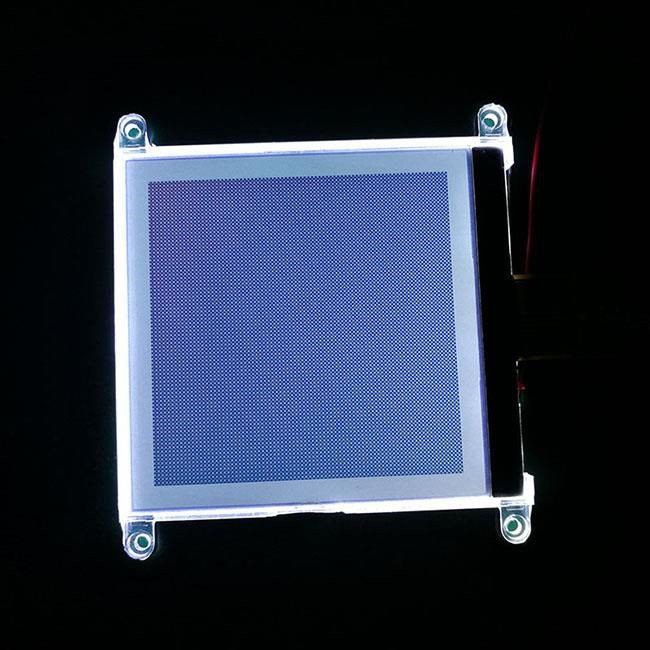
Projection displays, however, are more suitable for large - scale viewing. They can project images onto a much larger area, creating an immersive viewing experience. But in terms of resolution and color accuracy, they may not be as good as small graphic LCD displays. The image quality of a projection display can be affected by factors such as ambient light, projection distance, and the quality of the projection surface. In a well - lit environment, the image on a projection display may appear washed out, while a small graphic LCD display can maintain its clarity.
Brightness and Contrast
Brightness and contrast are crucial factors in determining the visibility of a display. Small graphic LCD displays typically have high brightness levels, which allow them to be easily viewed in both indoor and outdoor environments. They also offer good contrast ratios, which means they can display deep blacks and bright whites, enhancing the overall visual experience. For example, the White On Blue Graphic LCD has a distinct color combination that provides high visibility and readability.
Projection displays, on the other hand, rely on ambient light conditions. In a dark room, they can produce a very bright and vivid image. But in a well - lit environment, their brightness may not be sufficient, and the contrast ratio may also be affected. The maximum brightness of a projection display is often limited by its lamp or light source, and over time, the brightness may decrease as the lamp ages.
Energy Consumption
Energy consumption is an important consideration, especially for applications that require continuous operation. Small graphic LCD displays are generally more energy - efficient than projection displays. They consume less power because they use a backlight to illuminate the liquid crystal cells, and the power consumption can be further reduced by adjusting the brightness level. This makes them a great choice for battery - powered devices, such as portable medical monitors and handheld gaming consoles.
Projection displays, on the other hand, consume more power due to the high - intensity light source required to project the image. The lamp in a projector needs to generate a large amount of light, which consumes a significant amount of electricity. Additionally, some projectors may require additional cooling fans to prevent overheating, which also adds to the energy consumption.
Installation and Maintenance
The installation and maintenance requirements of small graphic LCD displays and projection displays are also different. Small graphic LCD displays are easy to install. They can be simply mounted on a device or a panel using screws or adhesive, and they usually do not require any complex calibration. Maintenance is also relatively straightforward. If a pixel fails or the backlight malfunctions, it can often be replaced without much difficulty.
Projection displays, on the other hand, require more complex installation procedures. They need to be properly positioned and aligned to ensure a correct projection onto the screen. The projection surface also needs to be clean and flat to achieve the best image quality. Maintenance of projection displays can be more challenging. The lamp in a projector has a limited lifespan and needs to be replaced periodically, which can be costly. Additionally, the projector's lenses and filters may need to be cleaned regularly to prevent dust and dirt from affecting the image quality.
Cost
Cost is always a significant factor when choosing a display technology. Small graphic LCD displays are generally more cost - effective, especially for small - scale applications. The manufacturing process of LCD displays has become highly efficient, resulting in lower production costs. They are available at a wide range of price points, depending on the size, resolution, and features. For example, the Weight Scale Of Character LCD Display is a cost - effective solution for weighing scales, providing clear and simple numerical readings at an affordable price.
Projection displays, on the other hand, can be more expensive, especially for high - end models with advanced features such as high resolution and 3D capabilities. The initial purchase price of a projector is often higher, and the ongoing costs of lamp replacement and maintenance can also add up over time.
Ideal Use Cases
Given their different characteristics, small graphic LCD displays and projection displays are suitable for different use cases. Small graphic LCD displays are ideal for applications where portability, high - resolution images, and energy efficiency are required. They are commonly used in medical devices, automotive electronics, consumer electronics, and industrial control systems.
Projection displays, on the other hand, are better suited for large - scale presentations, home theaters, and public events. They can create a large - format image that can be viewed by a large audience, providing an immersive and engaging experience.
Conclusion
In conclusion, small graphic LCD displays and projection displays have their own unique advantages and disadvantages. Small graphic LCD displays offer high - resolution images, energy efficiency, and easy installation, making them suitable for a wide range of applications where space is limited and detailed graphics are required. Projection displays, on the other hand, are better for large - scale viewing and creating an immersive experience, but they require more space, energy, and maintenance.
As a supplier of small graphic LCD displays, I can provide high - quality products that meet your specific requirements. Whether you need a display for a medical device, a consumer product, or an industrial application, I can offer a suitable solution. If you are interested in purchasing small graphic LCD displays or have any questions about our products, please feel free to contact me for further discussion and negotiation.
References
- "Display Technologies: Principles and Applications" by John Wilson
- "Handbook of Visual Display Technology" edited by Peter Lechner