




What is the flicker rate of a Transflective Graphic LCD?
 May 16, 2025|
 Hey there! As a supplier of Transflective Graphic LCDs, I often get asked about all sorts of technical details. One question that pops up quite a bit is, "What is the flicker rate of a Transflective Graphic LCD?" Well, let's dive right in and break it down.
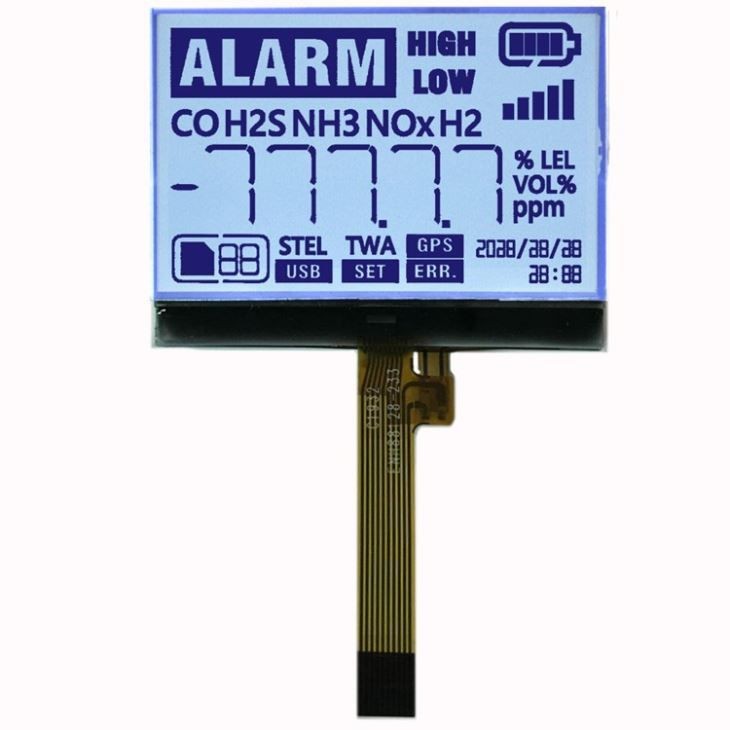
First off, let's talk about what a Transflective Graphic LCD is. It's a type of display that combines the features of both transmissive and reflective LCDs. In simple terms, it can work well in both bright sunlight and low - light indoor environments. Transmissive LCDs rely on a backlight to illuminate the screen, while reflective LCDs use ambient light. A transflective LCD can use both, which gives it a lot of flexibility.
Now, onto the flicker rate. Flicker in an LCD occurs when the display rapidly turns on and off. This can be caused by the way the display is refreshed, the power supply, or other factors. The flicker rate is measured in Hertz (Hz), which is the number of times the display refreshes per second.
For a Transflective Graphic LCD, the flicker rate is crucial for a few reasons. Firstly, a high flicker rate can cause eye strain and headaches for the user. If you're using a device with an LCD screen for long periods, like a digital watch or a handheld device, a low flicker rate is essential for your comfort. Secondly, a stable, low - flicker display provides a better visual experience. You don't want to see your screen flickering or blinking, especially when you're trying to read important information.
So, what's a good flicker rate for a Transflective Graphic LCD? Well, generally, a flicker rate above 60 Hz is considered acceptable. At 60 Hz, the human eye can't easily detect the flicker, and it provides a relatively smooth visual experience. However, for applications where visual comfort is of utmost importance, such as medical devices or high - end digital watches, a flicker rate of 100 Hz or even higher might be preferred.
Let's take a look at some of the factors that can affect the flicker rate of a Transflective Graphic LCD.
- Driver Circuitry: The driver circuitry is responsible for controlling the pixels on the LCD. If the driver circuitry is not designed properly, it can cause the display to flicker. A high - quality driver can ensure a stable and consistent refresh rate, thus reducing flicker.
- Power Supply: A stable power supply is essential for an LCD. Fluctuations in the power supply can cause the display to flicker. For example, if the voltage is not regulated properly, the backlight or the pixels might not receive a consistent amount of power, leading to flicker.
- Ambient Light: In a transflective LCD, the ambient light can also play a role in the perceived flicker. In bright sunlight, the reflective mode of the LCD is more prominent, and the backlight might be turned off or dimmed. In low - light conditions, the backlight is used more. The transition between these two modes can sometimes cause a slight flicker if not managed correctly.
As a supplier, we take all these factors into account when manufacturing our Transflective Graphic LCDs. We use high - quality driver circuitry and power management systems to ensure a low flicker rate. Our products are designed to provide a comfortable and visually appealing experience for the end - user.
If you're in the market for a Transflective Graphic LCD, we have a wide range of products to choose from. For instance, our LCD Screen Module for Digital Watch is specifically designed for digital watches. It has a low flicker rate and excellent visibility in both bright and low - light conditions.
Another great option is our Pixels Graphic LCD Display Of STN. STN (Super Twisted Nematic) technology offers good contrast and a relatively low cost. This display is suitable for a variety of applications, from industrial control panels to consumer electronics.
And if you're looking for a simple yet effective display, our Graphic Monochrome LCD Display is a great choice. It's easy to read and has a stable flicker rate, making it ideal for applications where basic information needs to be displayed.
We understand that every customer has different requirements, and we're here to help you find the perfect Transflective Graphic LCD for your project. Whether you need a small display for a wearable device or a large one for an industrial application, we've got you covered.

If you're interested in learning more about our products or want to discuss a potential order, don't hesitate to get in touch. We're always happy to have a chat and help you with your LCD needs. We can provide samples, technical specifications, and pricing information to help you make an informed decision.
In conclusion, the flicker rate of a Transflective Graphic LCD is an important factor to consider when choosing a display. A low flicker rate ensures a comfortable viewing experience and reduces the risk of eye strain. As a supplier, we're committed to providing high - quality LCDs with stable flicker rates. So, if you're in the market for a Transflective Graphic LCD, give us a shout, and let's work together to find the best solution for you.
References
- "Liquid Crystal Displays: Addressing Principles and Electro - optical Effects" by Jürgen F. Kahn
- "Fundamentals of Flat Panel Displays" by Kenji Miyazaki