




What is the lifespan of a Parallel Character LCD?
 Jun 27, 2025|
 As a supplier of Parallel Character LCDs, I've encountered numerous inquiries about the lifespan of these essential display components. Understanding the lifespan of a Parallel Character LCD is crucial for both manufacturers and end - users, as it directly impacts product reliability, maintenance costs, and overall user experience.
Factors Affecting the Lifespan of Parallel Character LCDs
1. Backlight Technology
The backlight is a key factor that significantly influences the lifespan of a Parallel Character LCD. Most Parallel Character LCDs use either cold cathode fluorescent lamps (CCFL) or light - emitting diodes (LEDs) as backlighting sources.
CCFL backlights have been used in LCDs for a long time. They typically have a lifespan ranging from 20,000 to 50,000 hours. However, CCFLs are gradually being phased out due to several drawbacks. They contain mercury, which is harmful to the environment, and they require more power to operate compared to LEDs.
On the other hand, LED backlights have become the standard in modern Parallel Character LCDs. LEDs offer a much longer lifespan, usually between 50,000 and 100,000 hours. They are also more energy - efficient, generate less heat, and have better color performance. For example, in applications where continuous display operation is required, such as in industrial control panels or information kiosks, LED - backlit Parallel Character LCDs are the preferred choice due to their extended lifespan and lower power consumption.
2. Operating Conditions
The environment in which a Parallel Character LCD operates plays a vital role in determining its lifespan. Temperature, humidity, and vibration are some of the key environmental factors.
- Temperature: Extreme temperatures can have a detrimental effect on the performance and lifespan of an LCD. High temperatures can cause the liquid crystals to degrade faster, leading to a decrease in contrast ratio and color accuracy. On the other hand, low temperatures can slow down the response time of the liquid crystals, making the display appear sluggish. Most Parallel Character LCDs are designed to operate within a temperature range of 0°C to 50°C. Operating outside this range can significantly reduce the lifespan of the display.
- Humidity: High humidity can cause moisture to penetrate the LCD panel, leading to corrosion of internal components and electrical shorts. This can result in permanent damage to the display. It is recommended to operate Parallel Character LCDs in an environment with a relative humidity of 20% to 80%.
- Vibration: Continuous vibration can cause mechanical stress on the LCD panel and its components. This can lead to loose connections, cracked glass, or damage to the liquid crystal layer. In applications where vibration is present, such as in automotive or aerospace environments, special shock - absorbing mounts and vibration - resistant designs are often used to protect the Parallel Character LCD and extend its lifespan.
3. Usage Patterns
The way a Parallel Character LCD is used also affects its lifespan. For instance, if the display is constantly on at full brightness, it will consume more power and generate more heat, which can accelerate the degradation of the backlight and other components. In contrast, if the display is used intermittently or with automatic brightness adjustment based on ambient light conditions, its lifespan can be extended.
Average Lifespan Estimates
Based on the factors mentioned above, the average lifespan of a Parallel Character LCD can vary widely. In general, for a well - maintained Parallel Character LCD with an LED backlight, operating under normal conditions (within the recommended temperature and humidity range, and with moderate usage), the lifespan can be estimated to be around 50,000 to 100,000 hours.
To put this into perspective, if a Parallel Character LCD is used for 8 hours a day, 5 days a week, it can last for approximately 12 to 25 years. However, in more demanding applications where the display is operated continuously or under harsh environmental conditions, the lifespan may be reduced to 20,000 to 50,000 hours, or 5 to 12 years of continuous use.
Extending the Lifespan of Parallel Character LCDs
1. Proper Installation
During the installation process, it is essential to follow the manufacturer's guidelines carefully. This includes ensuring proper alignment of the LCD panel, secure mounting to prevent vibration, and correct connection of electrical cables. Loose connections can cause intermittent power supply issues, which can damage the display over time.
2. Regular Maintenance
Regular cleaning of the LCD screen can help maintain its performance and extend its lifespan. Use a soft, lint - free cloth to remove dust and fingerprints. Avoid using abrasive cleaners or solvents, as they can damage the anti - glare coating on the screen.
Periodic inspection of the display for any signs of damage, such as cracks, dead pixels, or discoloration, is also recommended. Early detection of problems can allow for timely repairs or replacements, preventing further damage to the display.
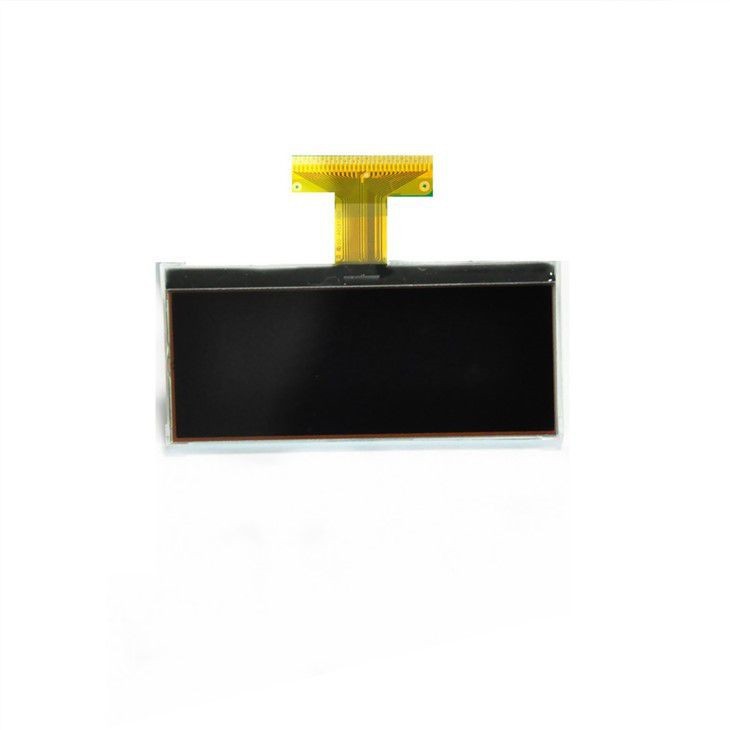

3. Power Management
Implementing power - saving features, such as automatic brightness adjustment and screen - saver modes, can significantly reduce the power consumption of the Parallel Character LCD and extend its lifespan. For example, in an office environment, the display can be set to dim or turn off when not in use for a certain period.
Applications and Lifespan Requirements
The lifespan requirements of Parallel Character LCDs vary depending on the application.
- Consumer Electronics: In consumer devices such as small intercom screens, the lifespan requirement is typically around 5 to 10 years. These devices are usually used for a few hours a day, and the display quality does not need to be maintained at the highest level throughout the entire lifespan. Our LCD Module for Small Intercom Screen is designed to meet these requirements, providing reliable performance over an extended period.
- Industrial Applications: In industrial settings, such as factory automation or process control systems, Parallel Character LCDs are often required to operate continuously for 24 hours a day, 7 days a week. In these applications, a lifespan of 10 to 20 years is typically expected. Our Dots LCD Display Module is suitable for such industrial applications, offering high reliability and long - term performance.
- Medical Devices: In medical equipment, such as patient monitors or diagnostic devices, the lifespan requirement is even more stringent. These devices need to provide accurate and reliable display information for the entire lifespan of the equipment, which can be up to 20 years or more. Our Electronic Graphic LCD Display meets the high - quality and long - lifespan requirements of medical applications.
Conclusion
In conclusion, the lifespan of a Parallel Character LCD is influenced by multiple factors, including backlight technology, operating conditions, and usage patterns. By understanding these factors and taking appropriate measures to extend the lifespan, such as proper installation, regular maintenance, and power management, users can ensure that their Parallel Character LCDs provide reliable performance over an extended period.
If you are in the market for high - quality Parallel Character LCDs with a long lifespan, we are here to help. Our products are designed to meet the diverse needs of different applications, from consumer electronics to industrial and medical devices. Contact us to discuss your specific requirements and explore how our Parallel Character LCDs can enhance your products.
References
- "Liquid Crystal Displays: Principles and Applications" by Shin - Tson Wu and D. K. Yang
- "Handbook of Display Technology" edited by Klaus Bunte and Helge Grahn