




What type of interface does a 3.2 Inch TFT Square Screen use?
 Aug 06, 2025|
 As a supplier of 3.2 Inch TFT Square Screens, I often get asked about the types of interfaces these screens use. Understanding the interface is crucial as it determines how the screen communicates with other devices, such as microcontrollers, single - board computers, or other electronic components. In this blog, I'll explore the common interfaces used by 3.2 Inch TFT Square Screens and their characteristics.
1. SPI (Serial Peripheral Interface)
SPI is one of the most widely used interfaces for 3.2 Inch TFT Square Screens. It is a synchronous serial communication interface that allows for high - speed data transfer between a master device (e.g., a microcontroller) and a slave device (the TFT screen).
The SPI interface typically consists of four main lines:
- SCK (Serial Clock): This line provides the clock signal that synchronizes the data transfer between the master and the slave. The master generates the clock pulses, and the data is transferred on each clock edge.
- MOSI (Master Out Slave In): As the name suggests, this line is used by the master to send data to the slave. For example, when sending pixel data to the TFT screen, the master will use the MOSI line to transfer the data byte by byte.
- MISO (Master In Slave Out): This line is used by the slave to send data back to the master. In the case of a TFT screen, the MISO line can be used for reading the status information of the screen, such as whether it is busy or ready to receive new data.
- SS (Slave Select): This line is used by the master to select which slave device it wants to communicate with. When the SS line is pulled low, the corresponding slave device is enabled, and communication can take place.
One of the advantages of using the SPI interface is its simplicity and high - speed data transfer capabilities. It can achieve data transfer rates of up to several megabits per second, depending on the clock frequency and the capabilities of the master and slave devices. This makes it suitable for applications where real - time display of high - resolution images or videos is required.
However, the SPI interface also has some limitations. It uses a relatively large number of pins, which can be a problem for devices with limited pin resources. Additionally, the communication is typically half - duplex, meaning that data can only be transferred in one direction at a time.
2. I2C (Inter - Integrated Circuit)
The I2C interface is another popular choice for 3.2 Inch TFT Square Screens, especially for applications where a simple and low - cost communication solution is required. I2C is a multi - master, multi - slave serial communication protocol that uses only two wires:
- SDA (Serial Data): This line is used for data transfer between the master and the slave devices. Both the master and the slave can send and receive data on this line.
- SCL (Serial Clock): Similar to the SPI interface, the SCL line provides the clock signal for synchronizing the data transfer.
One of the main advantages of the I2C interface is its simplicity and the fact that it uses only two wires. This makes it ideal for devices with limited pin resources, such as small microcontrollers. Additionally, the I2C interface supports multiple slave devices on the same bus, which means that a single master can communicate with multiple TFT screens or other peripheral devices simultaneously.
However, the I2C interface has a relatively low data transfer rate compared to the SPI interface. The maximum data transfer rate of the standard I2C protocol is 100 kbps, although the fast - mode I2C can achieve up to 400 kbps. This makes it less suitable for applications that require high - speed data transfer, such as real - time video display.
3. Parallel Interface
A parallel interface is also an option for 3.2 Inch TFT Square Screens. In a parallel interface, multiple data lines are used to transfer data simultaneously. For example, an 8 - bit parallel interface will use eight data lines to transfer 8 bits of data at once, which can significantly increase the data transfer rate.
The parallel interface typically consists of the following lines:
- Data Lines: These lines are used to transfer the actual data, such as pixel data or control commands. The number of data lines can vary, but common configurations include 8 - bit, 16 - bit, and 18 - bit interfaces.
- Control Lines: These lines are used to control the data transfer process, such as the read/write signal, the chip select signal, and the address lines.
One of the main advantages of the parallel interface is its high - speed data transfer capabilities. It can achieve much higher data transfer rates than both the SPI and I2C interfaces, making it suitable for applications that require real - time display of high - resolution images or videos.
However, the parallel interface also has some disadvantages. It uses a large number of pins, which can make the connection more complex and the PCB layout more difficult. Additionally, the power consumption of the parallel interface is generally higher than that of the serial interfaces.
4. HDMI (High - Definition Multimedia Interface)
Although not as common for 3.2 Inch TFT Square Screens as the other interfaces mentioned above, HDMI can be used in some high - end applications. HDMI is a digital interface that is designed to transmit high - definition audio and video signals.
The HDMI interface uses a high - speed differential signaling technique to transfer data, which allows for high - quality and high - speed data transfer. It supports a wide range of resolutions and refresh rates, making it suitable for applications that require high - definition video display.

However, using an HDMI interface for a 3.2 Inch TFT Square Screen can be more expensive and complex compared to other interfaces. It requires a specialized HDMI controller on the screen side, and the host device also needs to support HDMI output.
Application - Specific Interface Considerations
The choice of interface for a 3.2 Inch TFT Square Screen depends on several factors, including the application requirements, the available resources of the host device, and the cost - effectiveness.
For example, in a simple embedded system where the main function is to display static images or simple text, an I2C or SPI interface may be sufficient. These interfaces are easy to implement and require fewer pins, which can reduce the cost and complexity of the system.
On the other hand, in a high - performance application such as a video game console or a multimedia player, a parallel interface or HDMI may be more appropriate. These interfaces can provide the high - speed data transfer capabilities required for real - time display of high - resolution videos and graphics.
Our Product Range and Interface Compatibility
As a supplier of 3.2 Inch TFT Square Screens, we offer screens with different interface options to meet the diverse needs of our customers. Whether you need a screen with an SPI interface for a simple embedded project or a parallel interface for a high - performance application, we have the right product for you.
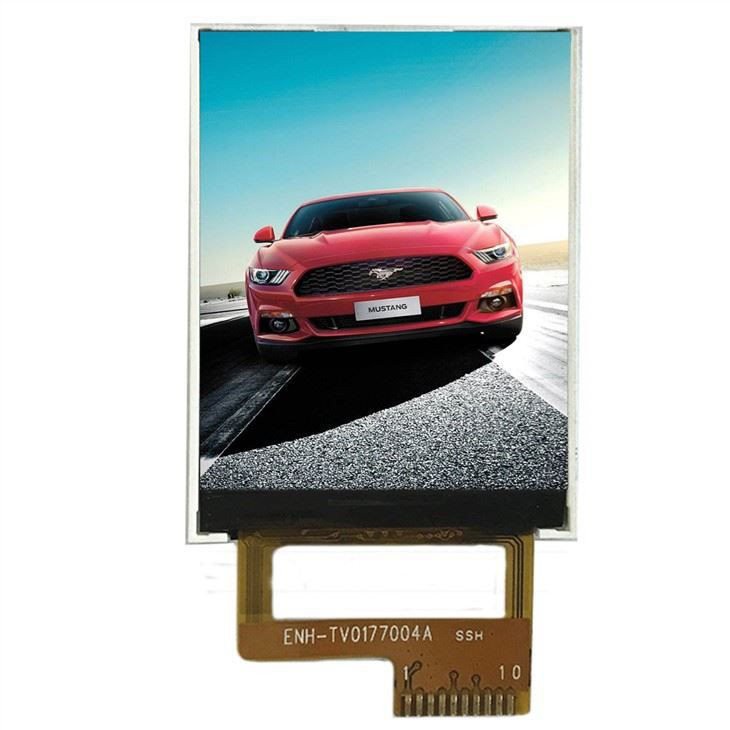
In addition to our 3.2 Inch TFT Square Screens, we also offer a wide range of other TFT screens, such as the 10.1 Inch TFT Square Screen, the 1.77 Inch TFT Color LCD, and the 7.0 - inch TFT With Touch Display For Car Equipment, Car Dashboard, Car Audio. These screens also come with different interface options, allowing you to choose the one that best suits your application.
Contact Us for Procurement
If you are interested in our 3.2 Inch TFT Square Screens or any other products in our range, please feel free to contact us for procurement discussions. Our team of experts will be happy to assist you in choosing the right screen and interface for your application, and we can also provide technical support and customization services if needed.
References
- Mano, M. Morris, and Charles R. Kime. Logic and Computer Design Fundamentals. Pearson, 2013.
- Maxfield, Clive. Bebop to the Boolean Boogie: An Unconventional Guide to Electronics. Elsevier, 2014.