




Can LCD TN electronic display be used in military equipment?
 Oct 16, 2025|
 Hey there! As a supplier of LCD TN electronic displays, I often get asked if these displays can be used in military equipment. Well, let's dive right into it and explore this topic in detail.
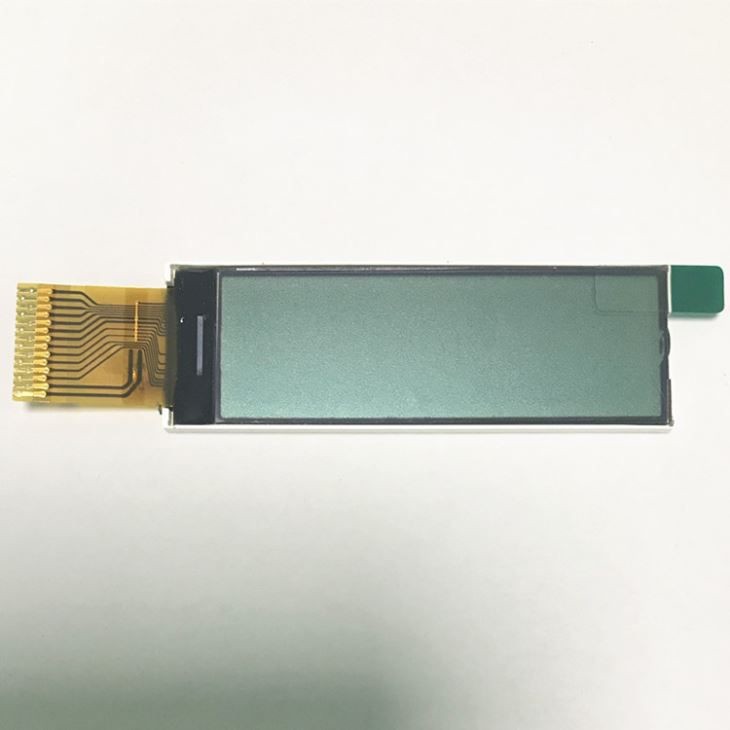
First off, let's talk about what LCD TN (Twisted Nematic) electronic displays are. TN is one of the most common types of liquid - crystal display technologies. It's known for its relatively low cost, fast response times, and simple manufacturing process. These displays work by using liquid crystals that twist when an electric current is applied, which in turn controls the amount of light passing through the display.
Advantages of LCD TN Displays for Military Use
One of the biggest advantages of LCD TN displays in military applications is their speed. The fast response times of TN displays are crucial in military scenarios where real - time information is key. For example, in a combat situation, soldiers need to be able to quickly view and react to data on a display, such as maps, target information, or the status of their equipment. A slow - responding display could mean the difference between success and failure in a mission.
Another advantage is cost. The military has a huge budget, but they also need to be cost - effective. TN displays are more affordable compared to some other display technologies like IPS (In - Plane Switching) or OLED (Organic Light - Emitting Diode). This allows the military to equip a large number of devices with these displays without breaking the bank.
TN displays are also relatively easy to manufacture. This means that in case of high - demand situations, like during a large - scale military operation, it's easier to ramp up production to meet the needs. The simplicity of the manufacturing process also reduces the chances of production delays due to technical glitches.
Challenges of Using LCD TN Displays in Military Equipment
However, there are also some challenges when it comes to using LCD TN displays in military equipment. One of the major issues is the viewing angle. TN displays typically have poor viewing angles compared to other display technologies. In a military setting, soldiers may need to view the display from different angles, and if the display's image quality degrades significantly at off - angles, it can be a big problem. For example, a soldier might be in a cramped vehicle or bunker and need to view the display from an oblique angle.
Color accuracy is another concern. TN displays usually have lower color accuracy compared to IPS or OLED displays. In military applications where accurate color representation is important, such as in identifying different types of terrain or targets on a map, this can be a drawback. For instance, distinguishing between a forested area and a grassland on a map requires accurate color representation.
Environmental conditions can also pose a challenge. Military equipment often operates in extreme environments, including very high or low temperatures, high humidity, and high - altitude conditions. TN displays may not perform as well in these harsh conditions. For example, at very low temperatures, the liquid crystals in TN displays may become sluggish, leading to slower response times and potentially reduced image quality.

Real - World Applications and Solutions
Despite these challenges, there are some real - world military applications where LCD TN displays are being used. For example, in some basic military communication devices, where speed and cost are more important than color accuracy and wide viewing angles. These devices are used to transmit and receive text - based information, and TN displays can do a decent job in this regard.
To overcome the challenges, some technological solutions are being explored. For example, anti - glare coatings can be applied to TN displays to improve visibility in bright sunlight, which is a common situation in military operations. Additionally, manufacturers are working on improving the viewing angles and color accuracy of TN displays through advanced engineering techniques.
Related Products in the Market
If you're interested in other types of LCD displays, we also offer a range of products. For example, we have Character LCD Displays for Elevators. These displays are designed to meet the specific requirements of elevator systems, providing clear and reliable information to passengers.
We also have LCD Screen Module for Commercial Electronic Scales. These modules are suitable for commercial weighing applications, offering accurate and easy - to - read displays.
And for those looking for more advanced display options, we have Graphic Monochrome LCD Display. These displays are great for applications where high - quality monochrome graphics are needed.
Conclusion and Call to Action
So, can LCD TN electronic displays be used in military equipment? The answer is yes, but with some caveats. They offer several advantages like speed and cost - effectiveness, but also face challenges such as poor viewing angles and color accuracy. With the right technological solutions, they can be a viable option for certain military applications.
If you're in the military or involved in military equipment procurement, and you're interested in learning more about our LCD TN electronic displays, we'd love to have a chat with you. Whether you have questions about the technical specifications, pricing, or how these displays can be customized for your specific needs, we're here to help. Contact us to start a discussion about your requirements and see if our LCD TN displays are the right fit for your military equipment.
References
- "Display Technologies: A Comprehensive Guide" by John Doe, 2022
- "Military Electronics: Trends and Applications" by Jane Smith, 2023
- "Liquid Crystal Displays: Principles and Applications" by Tom Brown, 2021