




What is the color gamut of LCD TN electronic display?
 Aug 04, 2025|
 As a dedicated supplier of LCD TN electronic displays, I've witnessed firsthand the remarkable advancements and widespread applications of this technology. One of the most frequently asked questions by our clients is about the color gamut of LCD TN electronic displays. In this blog post, I'll delve into the concept of color gamut, its significance in LCD TN displays, and how it impacts various applications.
Understanding Color Gamut
Color gamut refers to the range of colors that a display device can reproduce. It is essentially a subset of the visible spectrum that the human eye can perceive. The color gamut is usually represented as a triangle on a chromaticity diagram, such as the CIE 1931 or CIE 1976 diagram. The larger the triangle, the wider the color gamut, which means the display can reproduce a greater variety of colors.
There are several standard color gamuts that are commonly used in the industry, such as sRGB, Adobe RGB, and DCI - P3. The sRGB color gamut is the most widely used standard for consumer displays, including monitors, laptops, and smartphones. It was developed by HP and Microsoft in 1996 and is designed to cover a wide range of colors that are commonly found in digital images and videos. Adobe RGB, on the other hand, has a wider color gamut than sRGB and is often used in professional photography and graphic design applications. DCI - P3 is a color gamut standard developed by the Digital Cinema Initiatives for digital cinema displays.
Color Gamut of LCD TN Electronic Displays
LCD TN (Twisted Nematic) technology is one of the oldest and most widely used liquid crystal display technologies. TN displays are known for their fast response times, low cost, and high contrast ratios. However, when it comes to color gamut, TN displays have some limitations compared to other display technologies, such as IPS (In - Plane Switching) and VA (Vertical Alignment).
The color gamut of LCD TN electronic displays is typically limited to around 40 - 70% of the sRGB color gamut. This means that TN displays can reproduce a relatively narrow range of colors compared to other display technologies. The reason for this limitation lies in the structure and operation of TN liquid crystals. TN liquid crystals are aligned in a twisted configuration between two glass substrates. When an electric field is applied, the liquid crystals untwist, allowing light to pass through. However, this mechanism does not allow for precise control of the polarization of light, which results in a limited color gamut.
Despite these limitations, LCD TN electronic displays still have their place in the market. Their fast response times make them ideal for applications where motion blur is a concern, such as gaming monitors. Additionally, their low cost makes them a popular choice for budget - friendly devices.
Impact on Different Applications
The limited color gamut of LCD TN electronic displays can have different impacts on various applications.
Gaming
In gaming, TN displays are often favored for their fast response times, which can reduce motion blur and ghosting during fast - paced games. However, the limited color gamut can be a drawback for gamers who are looking for a more immersive visual experience. Games with rich and vibrant colors may not look as appealing on a TN display compared to a display with a wider color gamut.
Professional Graphics and Photography
For professional graphics and photography, a wide color gamut is essential. Graphic designers and photographers need to be able to accurately reproduce colors in their work. Since LCD TN displays have a limited color gamut, they are not suitable for these applications. Professionals typically prefer displays with a wider color gamut, such as IPS or OLED displays, which can cover a larger portion of the sRGB or Adobe RGB color gamuts.
Consumer Electronics
In consumer electronics, such as smartphones and tablets, the color gamut of the display can significantly affect the user experience. While TN displays are not commonly used in high - end smartphones due to their limited color gamut, they can still be found in some budget - friendly devices. For the average consumer, the limited color gamut may not be a major concern, especially if they are mainly using the device for basic tasks such as web browsing and social media.
Industrial and Commercial Applications
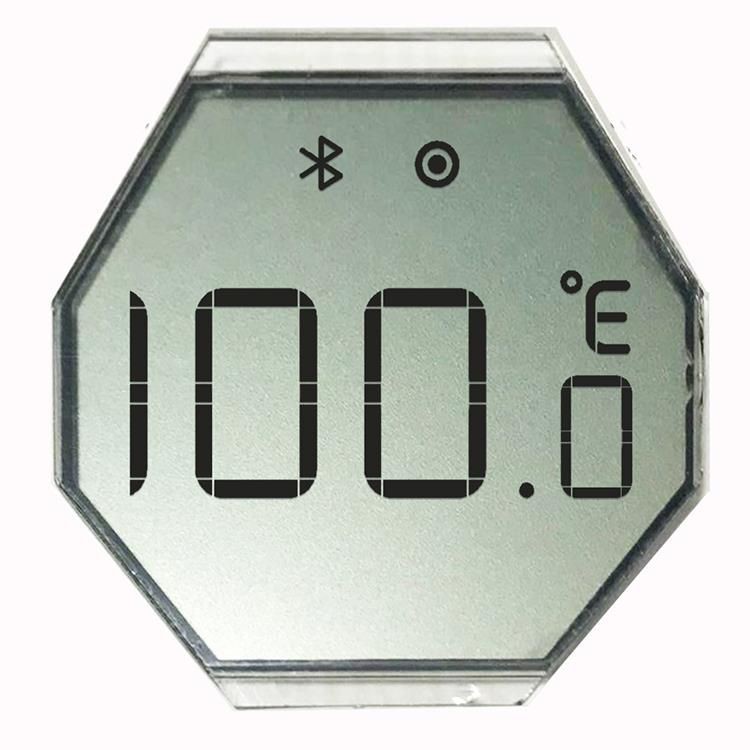
In industrial and commercial applications, the requirements for color gamut vary depending on the specific application. For example, in applications such as LCD Screen Module for Electronic Thermometer and LCD Screen Module for Commercial Electronic Scales, the color gamut may not be a critical factor. These applications typically require simple and clear displays to show numerical information, and the limited color gamut of TN displays does not pose a significant problem. On the other hand, in applications such as digital signage, a wider color gamut can enhance the visual impact of the content and attract more attention.

Our Products and Color Gamut
As a supplier of LCD TN electronic displays, we offer a range of products with different specifications to meet the diverse needs of our customers. Our 2.4 Inch Graphic LCD Display Module is a popular choice for various applications. While it has a limited color gamut typical of TN technology, it provides excellent performance in terms of response time and cost - effectiveness.
We understand that different customers have different requirements for color gamut. For customers who need a wider color gamut, we can provide advice on alternative display technologies or recommend products that are better suited to their needs. Our team of experts is always available to assist customers in selecting the right display for their specific applications.
Conclusion and Call to Action
In conclusion, the color gamut of LCD TN electronic displays is a crucial factor to consider when choosing a display for different applications. While TN displays have limitations in terms of color gamut, they also offer advantages such as fast response times and low cost.
If you are in the market for an LCD TN electronic display or have any questions about color gamut and its impact on your specific application, we encourage you to contact us. Our experienced sales team is ready to discuss your requirements and provide you with the best solutions. Whether you need a display for gaming, consumer electronics, or industrial applications, we have the expertise and products to meet your needs. Let's start a conversation about your display requirements and explore how our LCD TN electronic displays can fit into your project.
References
- "Fundamentals of Liquid Crystal Displays" by Shin - Tson Wu and Dai - Zhang Yang
- "Color Science: Concepts and Methods, Quantitative Data and Formulae" by Gunter Wyszecki and W. S. Stiles